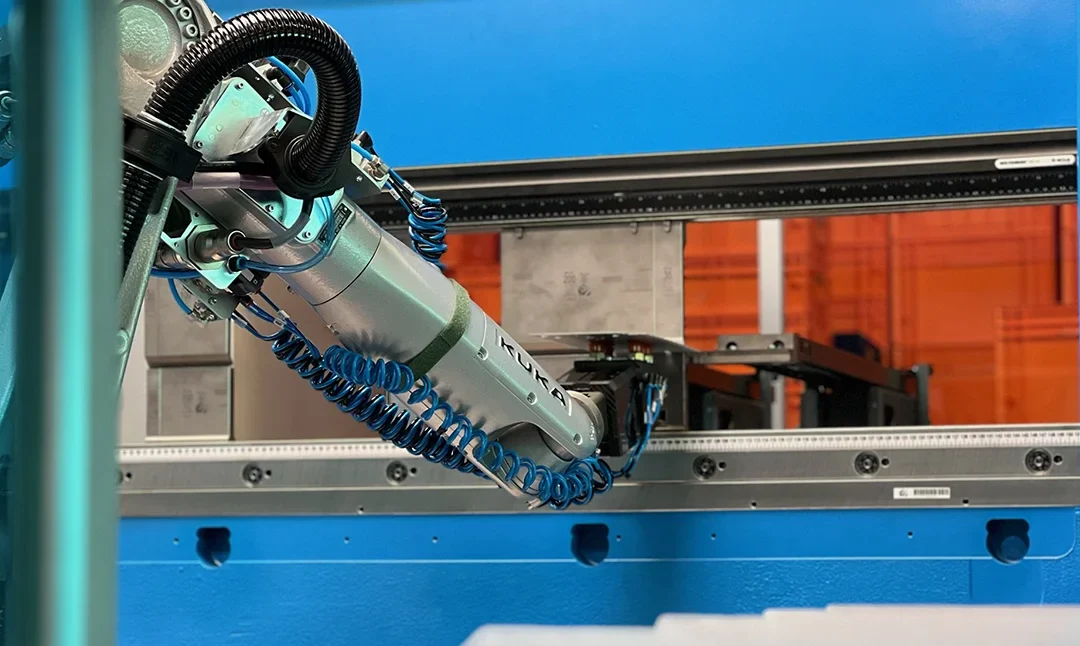
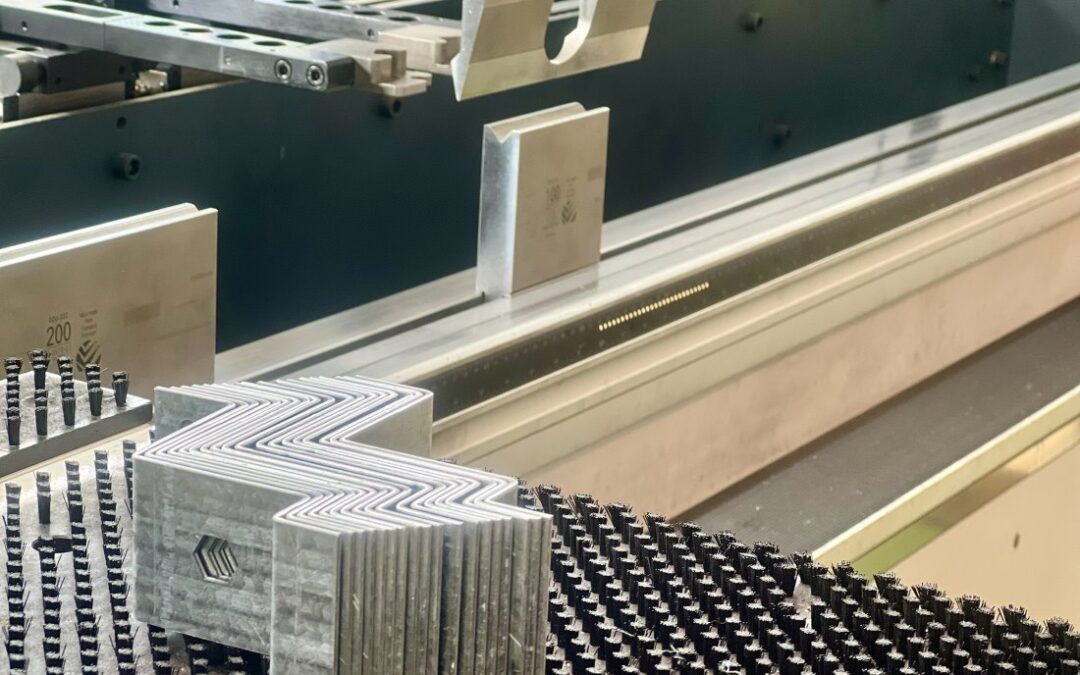
Sheet metal punching is an industrial process in which advanced punching machines are used to precisely cut and shape various elements from sheet metal. The process allows sheet metal to be processed in a variety of materials, such as aluminium, steel and stainless steel, and allows the production of various metal components with a high degree of precision. The use of CNC punching achieves optimum results by allowing flexibility in the processing of different sheet shapes and thicknesses, ensuring high precision even in demanding product ranges.
Modern CNC punching machines allow the process to be automated, greatly improving accuracy and consistency. CNC punching can process sheets of different thicknesses and sizes, which is ideal for the mass production of metal components where speed is of the essence. In addition, these machines ensure a high degree of repeatability in production, which is particularly important for larger batches, as it allows consistent quality and the same results for each individual component, regardless of production volume.

Metal punching is a key process in many industries, such as:
Medicine and Pharmacy: Apparatus and devices in medicine and pharmacy.
Automotive: manufacture of brackets, housings and other key components.
Construction industry: used for ventilation systems and structural elements.
Electronic industry: needs precision metal parts for enclosures and other applications.
Furniture industry: creating decorative and functional metal parts.
The punching machines can be used to produce products of different shapes and sizes, as the cut-outs can be adapted to the specific needs of each production or project.

Punching has a number of advantages, including accuracy and cost-effectiveness. The manufacturing process itself is flexible, as it can be adapted to the specific requirements of projects, regardless of the type of material or the thickness of the sheet.
To further increase efficiency, sheet metal punching is often used in combination with other techniques such as laser cutting, bending, welding, punching, etc. This combination of processes allows the creation of advanced and complex products that meet the highest quality standards.
Sheet metal stamping is a highly efficient technique for working with a variety of metal materials. Its flexibility, speed of production and ability to produce precision components make it indispensable in many industries.
Modern CNC punching technology has made the process even more automated, allowing high levels of precision, flexibility and cost efficiency. Machining sheet metal in this way enables rapid production to meet the exact specifications of each individual project, giving companies a competitive edge in the marketplace.
Find out more about our sheet metal punching services at https://flamula-metal.com/services/sheet-metal-punching/