Sheet metal bending is one of the fundamental processes in the metalworking industry. It is a forming process in which the shape of a flat metal sheet is changed using controlled force—without cutting or welding the material—resulting in a clean, precise bend along a defined axis. Wherever a metal part has an angle, edge, or fold, it has almost certainly passed through a press brake. Although the process may appear simple, it requires deep knowledge of material properties, tool geometry, and the forces acting on the material during the operation.
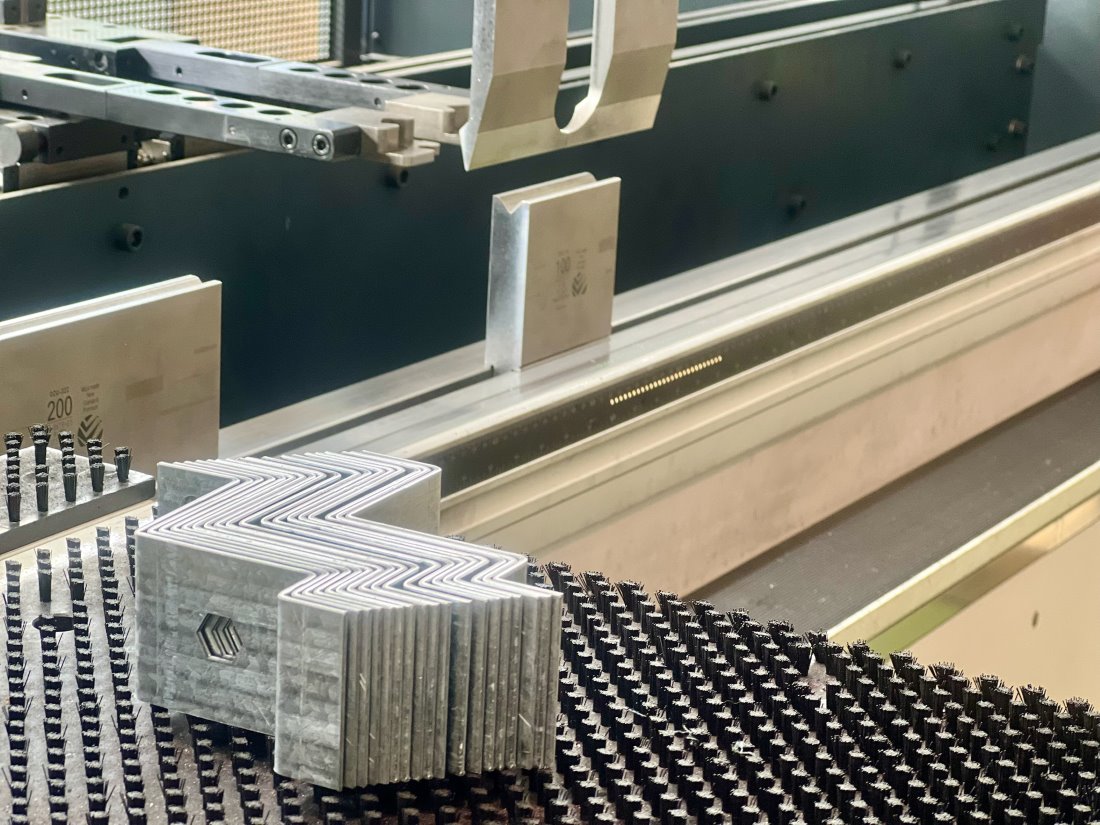
Sheet metal bending is a process of permanent plastic deformation of a metal sheet along a straight axis. The material is formed into the desired angle or shape without changing its thickness or fiber length. When a force exceeding the material’s elastic limit is applied, the material deforms permanently and retains its new shape. During deformation, the outer side of the bend stretches, the inner side compresses, and the neutral axis in between maintains its original length. In modern CNC systems, the machine precisely calculates and executes each bend based on input parameters in a predefined sequence.
Materials Suitable for Bending
The range of materials suitable for bending is extremely wide, which is one of the key advantages of this process compared to other metalworking techniques. The most commonly bent materials include aluminum, sheet steel, galvanized sheet metal, stainless steel (inox), copper, brass, and PVC. Each material has specific properties that influence bending parameters.
Stainless steel contains chromium and nickel in addition to iron and carbon, providing excellent corrosion resistance and increased hardness. As a result, it tends to work-harden during bending, requiring more precise parameter control and typically hydraulic press brakes. It is widely used in the food and medical industries.
Aluminum is lightweight and cost-effective, with excellent corrosion resistance and a high strength-to-weight ratio. It is easy to process and bend. Galvanized sheet metal, like stainless steel, offers strong corrosion resistance due to its zinc coating and is generally more cost-effective. Copper is a soft and ductile material, ideal for electrical applications due to its high conductivity and natural antimicrobial properties. Brass, an alloy of copper and zinc, is valued for its aesthetic appeal and good machinability, commonly used in decorative elements, instruments, and architectural details.
Capabilities of Modern Bending Machines
Modern bending centers are equipped with advanced hydraulic systems and CNC controls, ensuring exceptional precision and repeatability. Tooling systems in modern facilities allow bending of materials with thicknesses ranging from 0.4 mm to 15 mm, with bending lengths up to 3000 mm. This range covers a broad spectrum of industrial applications—from small electronic enclosures to large architectural components.
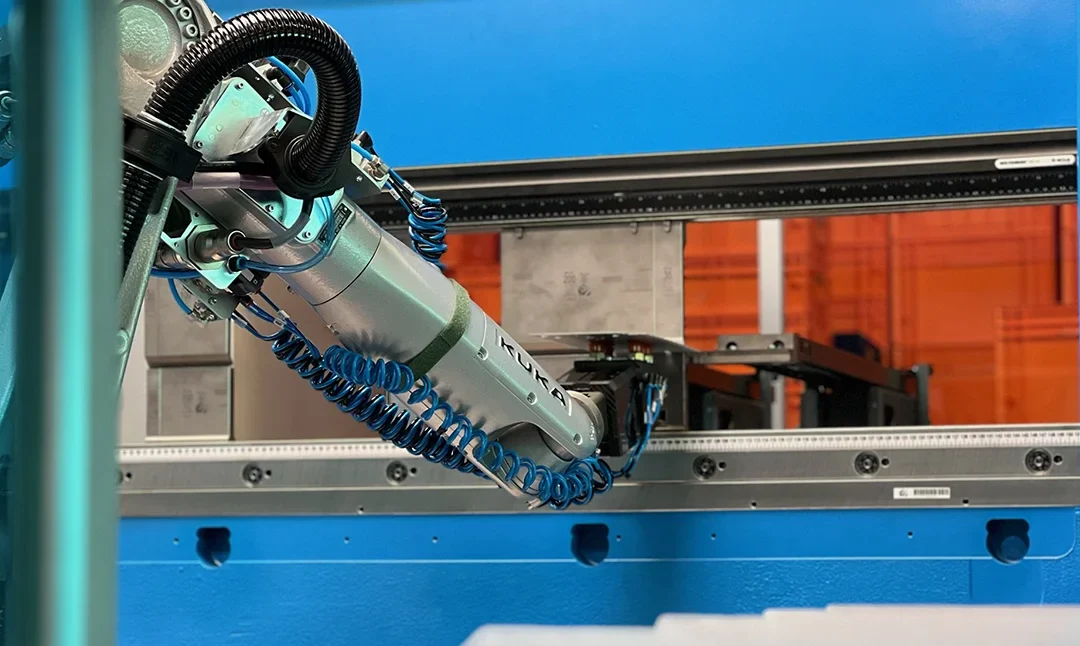
Key technological advantages include hydraulic tool clamping for process stability and real-time angle measurement during bending. Fully configured multi-axis machines enable high levels of automation and can handle demanding production runs with near-zero tolerances. Press brakes are typically defined by two parameters: tonnage, which determines the maximum force, and working width, which defines the maximum bending length.
Bending Methods
Various bending methods are used in industry, each with its own advantages and specific applications.
- Air bending is the most common method, where the punch presses the material into a V-die without fully bottoming out. Air remains between the material and the die bottom, giving the method its name. It is highly versatile, requires less force, and is suitable for a wide range of materials and thicknesses. Its drawback is slightly lower accuracy due to material springback.
- Bottoming is a variation of V-bending where the punch presses the material all the way into the die. This results in greater accuracy and improved repeatability but requires higher force and separate tooling for each bend radius.
- Coining is the most precise method, where the punch presses the material into the die with very high force, plastically deforming its structure. It offers excellent repeatability but longer processing times. It is ideal for high-volume production and industries requiring absolute precision, such as medical and aerospace.
- Roll bending involves passing the material through a series of rollers to gradually form curved shapes such as cylinders, cones, or arcs. It is suitable for long elements and thicker materials and is commonly used in tanks, pipes, and structural components.
- Edge bending (wiping) works by pressing the material against a die edge while it is clamped. It is suitable for simpler bends and provides good control over the bending angle.
Key Parameters and Design Considerations
Successful bending largely depends on proper preparation and consideration of key design parameters.
Bend radius is one of the most important parameters, determining how sharp the inner bend is. As a general rule, the radius should not be smaller than the material thickness. Too small a radius can cause cracking on the outer surface. Using a consistent radius across all bends simplifies tooling and reduces costs.
Springback is the phenomenon where the material partially returns to its original shape after the force is removed. It depends on material properties, bend radius, and angle. Compensation requires overbending by a calculated amount, which is a key skill of experienced operators.
Bend allowance is the length of flat material consumed in the bend. It depends on bend angle, radius, material thickness, and the K-factor, which describes how the neutral axis shifts during bending. Without accounting for bend allowance, the final part will be too short.
Grain direction from rolling creates an internal structure in the material. Bending perpendicular to the grain reduces the risk of cracking and ensures more uniform results. Bending parallel to the grain increases the risk of cracks, especially in harder materials.
Holes and slots near the bend line can deform during bending due to stress concentration. A general rule is that the distance from a hole to the bend line should be at least 2.5 times the material thickness plus the bend radius.
Advantages and Disadvantages of Bending
Sheet metal bending offers many advantages over alternative processes. It is significantly faster, more cost-effective, and more material-efficient than machining or casting thin-walled parts. Since parts can often be made from a single sheet, welding and fastening are minimized—resulting in fewer joints, greater strength, and reduced corrosion risk. With modern CNC machines, repeatability and tolerances are extremely high, in some cases reaching ±0.05 mm. CNC bending requires less specialized labor and enables faster production, reducing costs and lead times.
Limitations mainly relate to thickness and geometry. Thicker materials require higher tonnage and larger bend radii, limiting sharp bends. Complex geometries may require multiple setups or carefully planned sequences. Areas previously affected by heat processes (such as laser cutting or welding) may exhibit increased hardness, affecting bending behavior.
Applications
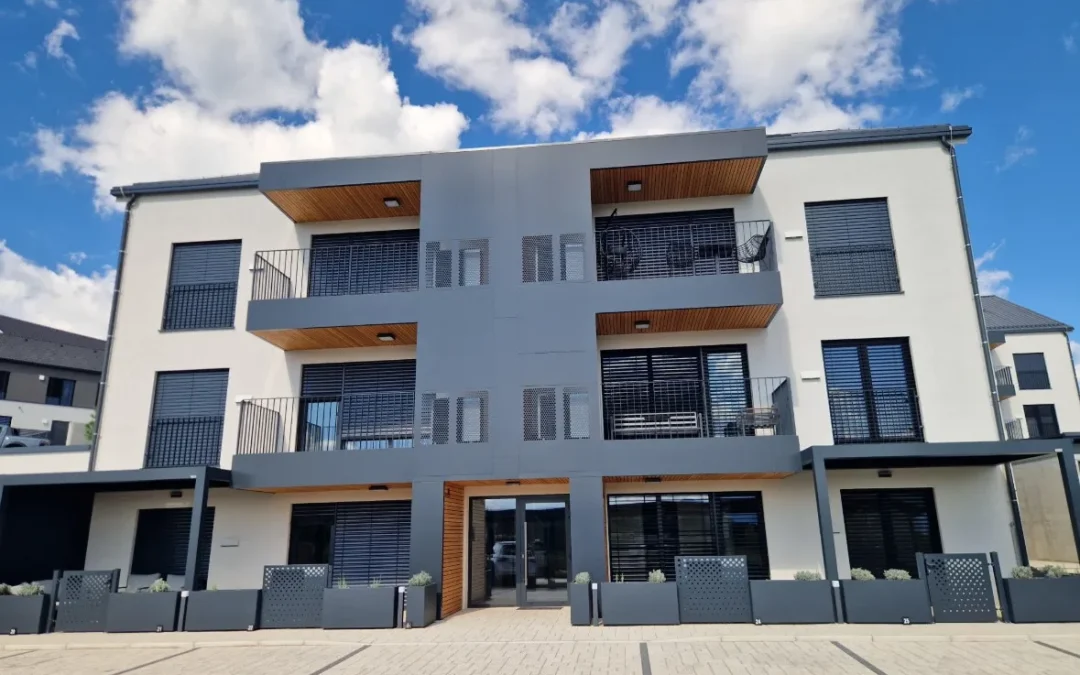
Sheet metal bending is used across nearly all industrial sectors. In the automotive industry, it is used for body panels, brackets, and frame components. Aerospace applications include structural parts where precision and low weight are critical. The construction industry uses it for roofing, gutters, façade elements, and structural joints. The food and medical industries rely on stainless steel bending for work surfaces, equipment housings, and medical devices. Electronics manufacturing uses it for enclosures, server racks, and distribution cabinets. The furniture industry uses bending for metal frames, legs, and components.
Laser cutting and sheet metal bending complement each other exceptionally well. Laser cutting produces precise parts with tight tolerances and clean edges, which serve as a reference for accurate positioning in the press brake. Any inaccuracy in cutting directly affects bending accuracy. Laser cutting also reduces preparation errors, improves repeatability, and shortens setup time. Parts cut by laser and then bent on CNC press brakes can achieve tolerances of up to ±0.1 mm—among the highest in the industry.
Together, these processes form a comprehensive solution for advanced sheet metal fabrication—from concept and CAD file to a finished, functional part ready for assembly.
Do you need precise and reliable sheet metal bending tailored to your requirements? Choose Flamula Metal – specialists in comprehensive sheet metal processing using state-of-the-art CNC technology, from laser cutting and perforation to precision bending. We deliver top quality, exceptional repeatability, and fast turnaround times for industry, architecture, electronics, construction, and medical applications.